Mold Remediation in Tunica, LA
Resolving structural moisture problems and removing fungal colonization across Tunica.
Mold remediation in Tunica, Louisiana resolves structural moisture problems and removes fungal colonization from residential and commercial properties.
Airwell Restoration connects property owners across Tunica with thorough containment, filtration, and drying services to halt ongoing structural decay.

Speak With Our Dispatch Team
When water leaks or moisture intrusion affect structural building materials, prompt containment prevents spore dispersal. Contact our dispatch desk to discuss property conditions and coordinate an on-site evaluation.
Mold Removal in Tunica, Louisiana: Available 24/7
Telephone intake staffed round the clock
Fast action prevents structural decay
Polyethylene barriers and HEPA scrubbers
Louisiana residential and commercial structures
Mold Remediation Services in Tunica, Louisiana
Our mold remediation services in Tunica, Louisiana resolve structural dampness and fungal colonization at the source rather than masking visible symptoms. Louisiana possesses a humid subtropical marine climate marked by intense summer heat, prolonged high humidity, and abundant annual precipitation exceeding sixty inches. Low-lying delta terrain, extensive bayous, and coastal marshlands keep groundwater tables mere inches below the surface across many communities. In historic cities like New Orleans, Baton Rouge, Lafayette, and Shreveport, high atmospheric dew points persist from late spring well into autumn. Because below-grade basements are virtually impossible in coastal and riverine soils, homes rely on elevated pier-and-beam foundations or monolithic concrete slabs. Severe tropical storms, hurricane wind-driven rain, and heavy convective downpours routinely test building envelopes, soaking roof decking, attic framing, and exterior wall sheathing. Water leaks, roof failures, and unsealed crawlspaces allow mold colonies to degrade subflooring, drywall, and structural studs across local properties. Technicians establish negative air pressure containment, extract irreparably damaged building elements, and apply antimicrobial treatments to sound structural timbers.
- Moisture source diagnosis and thermal imaging
- Physical containment barriers with negative pressure
- Continuous HEPA air filtration down to 0.3 microns
- Controlled removal of unsalvageable porous substrates
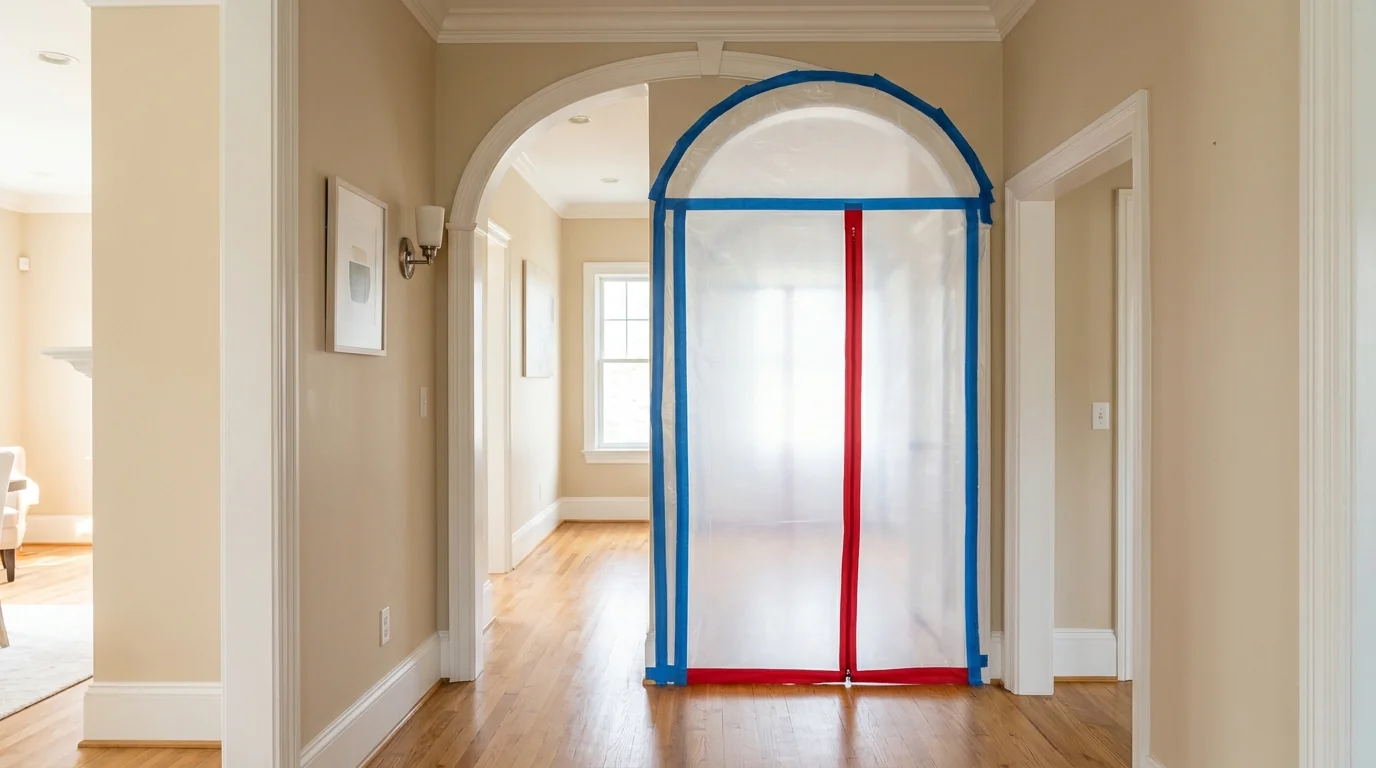
Moisture Mapping & Containment Protocol
Engineered negative air boundary and structural drying parameters
What to Do First in Tunica, Louisiana
When you discover mold in Tunica, Louisiana, focus on basic occupant safety and shut down active moisture sources right away. Turn off local water valves if plumbing has failed, and prevent occupants and pets from entering damp or contaminated areas. Recommended preliminary safety measures based on public health guidance include:
- Turn off the main water shutoff valve immediately if an active pipe leak is contributing to moisture.
- Switch off central HVAC systems to prevent air currents from carrying loose spores into uncontaminated rooms.
- Avoid scraping, brushing, or scrubbing dry mold growth, which releases high concentrations of airborne particulates.
- Keep indoor relative humidity below 60 percent, using residential dehumidifiers where safe to operate.
- Never apply bleach to porous materials like drywall or structural lumber, as surface chemicals fail to reach deep roots.
Signs You Need Mold Remediation in Tunica, Louisiana
Signs that you need mold remediation in Tunica, Louisiana include persistent earthy odors, visible surface discoloration, and structural materials softened by hidden moisture. Indoor mold frequently colonizes concealed wall cavities, subfloors, and crawlspaces following slow plumbing leaks or exterior groundwater seepage. Common indicators of structural mold problems include:
Indicator 01
Persistent musty or damp odors near baseboards, crawlspaces, or HVAC supply registers
Indicator 02
Dark green, gray, or black spotting along drywall seams, window casings, and floor joists
Indicator 03
Peeling interior paint, bubbling wall coverings, or warped trim caused by trapped wall cavity moisture
Indicator 04
Visible powdery or velvety fungal growth across attic rafters, subflooring, or basement masonry
Mold Remediation Near Me in Tunica, Louisiana
When searching for mold remediation near me in Tunica, Louisiana, choosing a nearby provider ensures prompt evaluation before moisture penetrates deeper into building cavities. Our service footprint across West Feliciana County allows technicians to dispatch drying equipment and containment plastic directly to local properties facing plumbing leaks or groundwater intrusion. Proximity matters because addressing moisture within the first 48 hours halts ongoing fungal expansion across structural framing.
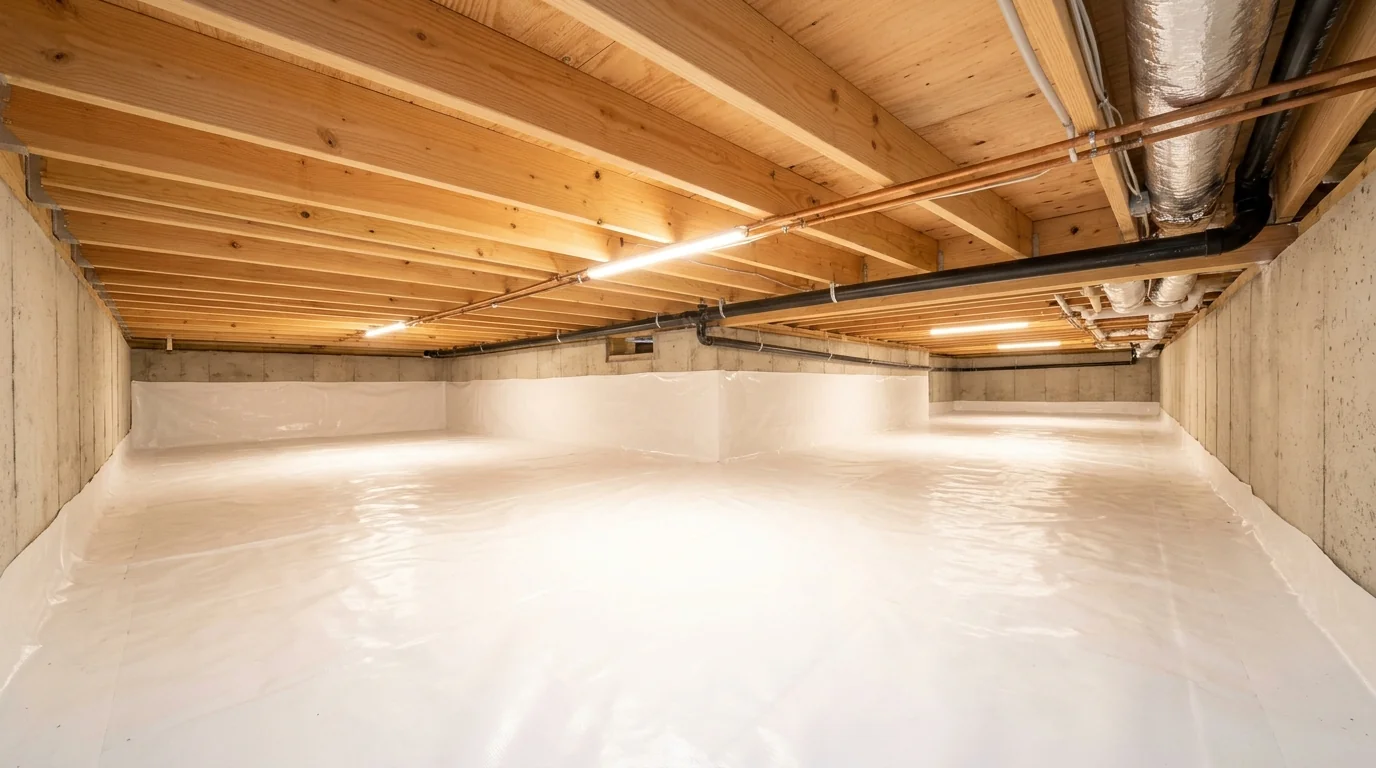
Moisture Mapping & Containment Protocol
Engineered negative air boundary and structural drying parameters
Why Tunica Residents Call Airwell Restoration
Homeowners and business operators in Tunica choose Airwell Restoration for dependable moisture diagnostics, thorough containment, and straightforward customer service. Our priority is restoring sound structural conditions while keeping property owners fully informed throughout the project.
Clear Estimates
Property owners receive transparent estimates that detail containment barriers, equipment requirements, and material extraction without technical confusion. Every evaluation outlines the exact structural elements requiring remediation so you understand the full scope of work before technicians begin.
Round-the-Clock Phone Line
Plumbing emergencies and moisture intrusion frequently occur outside normal business hours, which is why our telephone line at (831) 298-4645 is staffed 24 hours a day. You can speak with a representative at any time to discuss property conditions and schedule an on-site assessment.
Step-by-Step Process
We follow a systematic remediation workflow that includes moisture detection, physical isolation, continuous HEPA filtration, material extraction, and structural drying. This structured approach prevents cross-contamination and returns indoor spaces to normal background fungal ecology.
Local Knowledge
Our technicians understand the common architectural styles, regional weather patterns, and foundation conditions across Tunica and Louisiana. This familiarity helps us locate concealed moisture traps in crawlspaces, wall cavities, and attics quickly.
Common Mold Problems in Tunica, Louisiana
Common mold problems in Tunica, Louisiana stem from plumbing leaks, exterior envelope failures, poor attic ventilation, and chronic ground moisture rising through foundations. Traditional raised shotgun homes, Creole cottages, and historic French colonial residences resting on brick piers define older neighborhoods in New Orleans and river parishes. Mid-to-late twentieth-century single-story ranch homes built on poured monolithic concrete slabs are prevalent across suburban developments in Baton Rouge, Metairie, and Lafayette. Modern residential construction incorporates elevated timber pilings in coastal flood plains or engineered post-tension slabs with moisture barriers in inland subdivisions.
| Building Area | Moisture Source | Vulnerable Materials | Remediation Action |
|---|---|---|---|
| --- | --- | Subfloor joists, drywall, insulation | --- |
| Pier-and-beam floor buckling | Elevated groundwater evaporating beneath homes and absorbing into subflooring | Subfloor joists, drywall, insulation | Hardwood floors cup, finish materials warp, and fungal growth forms on underside joists |
| Tropical wind-driven rain leaks | Hurricane-force winds forcing precipitation through soffit vents and window assemblies | Subfloor joists, drywall, insulation | Wall insulation becomes waterlogged, causing ceiling drywall sagging and wall staining |
| Wall cavity condensation | Chilled air-conditioned drywall contacting humid exterior air migrating through wall siding | Subfloor joists, drywall, insulation | Moisture condenses behind vinyl wallpaper or drywall paper, damaging wood studs undetected |
| Attic air handler sweating | HVAC ductwork running through unconditioned, superheated attic spaces reaching high humidity | Subfloor joists, drywall, insulation | Heavy condensation drips into ceiling insulation, staining drywall ceilings in hallways and bedrooms |
| Slab edge moisture intrusion | Heavy perimeter rainfall pooling against low-profile concrete slabs without adequate slope | Subfloor joists, drywall, insulation | Water migrates across slab edges, wetting tack strips, bottom wall plates, and carpet padding |
Local Facts for Tunica, Louisiana
Assisting property owners across West Feliciana County dealing with moisture from precipitation and local soil drainage.
Mitigation protocols tailored to regional climate trends and seasonal humidity fluctuations across the South.
Maintaining service coverage along primary transportation routes connecting Tunica and Angola.
Situated 111.3 miles from New Orleans, coordinating regional equipment staging.
What Affects the Cost in Tunica, Louisiana
The cost of mold remediation in Tunica, Louisiana depends on the physical dimensions of the contaminated area, material porosity, and the containment controls required. Because structural layouts, moisture severity, and accessibility vary widely across properties, remediation scopes require an individual on-site assessment rather than flat-rate estimates.
| Scoping Variable | Impact on Project Scope | Evaluation Importance |
|---|---|---|
| Contaminated Surface Area | Total square footage and cubic volume of affected spaces | Larger containment perimeters require additional negative air machines and technician hours |
| Material Porosity | Classification of materials as porous, semi-porous, or non-porous | Porous drywall requires controlled demolition, while structural timber requires abrasive cleaning |
| Structural Accessibility | Ease of reaching low crawlspaces, high attics, or wall cavities | Confined workspaces demand specialized protective gear, lighting, and careful debris handling |
| Moisture Source Severity | Extent of water saturation and depth of moisture penetration | Deeply saturated structural framing requires multi-day commercial dehumidification cycles |
| HVAC System Contamination | Presence of spores or fungal colonies inside air distribution systems | Ductwork remediation requires specialized isolation techniques to avoid whole-house spore distribution |
| Containment Complexity | Need for critical barriers, flap airlocks, and negative pressure | Robust containment barriers prevent cross-contamination into clean living quarters during demolition |
Our Process in Tunica, Louisiana
In Tunica, Louisiana, our five-stage remediation procedure focuses on physical removal of mold colonies and deep structural drying of building framing. We never rely on superficial chemical sprays that leave hidden fungal roots active inside structural assemblies.
Moisture Source Identification
Technicians use moisture meters and thermal imaging to pinpoint the active water leak feeding fungal growth.
Containment & Isolation
Heavy polyethylene sheeting isolates the work zone, while negative air machines vent scrubbed air outside.
HEPA Air Scrubbing
Industrial air scrubbers continuously capture airborne particulates and spores down to 0.3 microns.
Controlled Porous Removal
Water-damaged drywall, insulation, and carpet underlayment are removed under containment and sealed in disposal bags.
Mechanical Surface Cleaning
Technicians clean structural framing through HEPA vacuuming, damp wiping with EPA-registered solutions, and abrasive brushing.
Structural Dehumidification
High-capacity commercial dehumidifiers run until structural framing moisture content returns to acceptable equilibrium levels.
Seasonal Risks for Tunica, Louisiana
Seasonal weather patterns in Tunica, Louisiana create distinct moisture challenges throughout the year, ranging from spring groundwater seepage to winter condensation. Maintaining indoor relative humidity below 60 percent and repairing building envelope leaks helps minimize seasonal fungal growth.
Spring Moisture Dynamics
Spring brings heavy rainfall and rising groundwater levels that test basement walls and crawlspace drainage systems. Heavy convective thunderstorms deliver torrential rainfall across already saturated river delta soils and coastal watersheds. High groundwater tables saturate ground beneath elevated foundations, causing moisture vapors to rise continuously against underside flooring.
Summer Moisture Dynamics
Summer heat and elevated outdoor humidity force cooling systems to run continuously, creating condensation along cold supply ducts and pipes. Extreme heat combined with oppressive atmospheric humidity drives non-stop air conditioning use in homes throughout the state. Indoor cooling chills interior drywall and tile floors, causing warm outdoor moisture to condense inside wall cavities and beneath floor finishes.
Fall Moisture Dynamics
Autumn rainfall and accumulating roof debris can block exterior gutters, causing rainwater to spill down exterior siding and pool at foundations. Late summer and autumn bring the peak of the Atlantic hurricane season, with powerful tropical systems producing wind-driven rain and coastal storm surges. Wind-borne moisture forces water through roof vents, soffits, and window framing, wetting insulation and wall framing materials.
Winter Moisture Dynamics
Winter heating creates steep temperature differentials between warm indoor living spaces and cold exterior wall surfaces. Mild winters bring frequent cool frontal passages accompanied by damp fog and steady drizzling rains. The reduction in continuous air conditioning allows indoor humidity to linger, dampening shaded exterior siding and interior closet corners. ## Common Problems | Problem | Typical Cause in Louisiana | What It Means for the Homeowner | | --- | --- | --- | | Pier-and-beam floor buckling | Elevated groundwater evaporating beneath homes and absorbing into subflooring | Hardwood floors cup, finish materials warp, and fungal growth forms on underside joists | | Tropical wind-driven rain leaks | Hurricane-force winds forcing precipitation through soffit vents and window assemblies | Wall insulation becomes waterlogged, causing ceiling drywall sagging and wall staining | | Wall cavity condensation | Chilled air-conditioned drywall contacting humid exterior air migrating through wall siding | Moisture condenses behind vinyl wallpaper or drywall paper, damaging wood studs undetected | | Attic air handler sweating | HVAC ductwork running through unconditioned, superheated attic spaces reaching high humidity | Heavy condensation drips into ceiling insulation, staining drywall ceilings in hallways and bedrooms | | Slab edge moisture intrusion | Heavy perimeter rainfall pooling against low-profile concrete slabs without adequate slope | Water migrates across slab edges, wetting tack strips, bottom wall plates, and carpet padding | ## Home Styles Traditional raised shotgun homes, Creole cottages, and historic French colonial residences resting on brick piers define older neighborhoods in New Orleans and river parishes. Mid-to-late twentieth-century single-story ranch homes built on poured monolithic concrete slabs are prevalent across suburban developments in Baton Rouge, Metairie, and Lafayette. Modern residential construction incorporates elevated timber pilings in coastal flood plains or engineered post-tension slabs with moisture barriers in inland subdivisions. ## State FAQs
Spring Moisture Dynamics
Spring brings heavy rainfall and rising groundwater levels that test basement walls and crawlspace drainage systems. Heavy convective thunderstorms deliver torrential rainfall across already saturated river delta soils and coastal watersheds. High groundwater tables saturate ground beneath elevated foundations, causing moisture vapors to rise continuously against underside flooring.
Serving Tunica, Louisiana and Surrounding Areas
In addition to serving Tunica, Louisiana, our remediation network provides moisture assessment and structural drying across neighboring communities. Property owners in nearby towns receive the same thorough containment procedures and 24/7 telephone support.
Angola
1.2 miles from Tunica
Delivering structural framing remediation, moisture source identification, and containment services across Angola (1.2 miles away).
Weyanoke
4.3 miles from Tunica
Delivering structural framing remediation, moisture source identification, and containment services across Weyanoke (4.3 miles away).
Saint Francisville
9.1 miles from Tunica
Delivering structural framing remediation, moisture source identification, and containment services across Saint Francisville (9.1 miles away).
Jackson
22 miles from Tunica
Delivering structural framing remediation, moisture source identification, and containment services across Jackson (22 miles away).
Tunica, Louisiana FAQs
Review answers to common questions about mold remediation, structural drying, and containment protocols for properties in Tunica, Louisiana. Understanding how mold colonizes building assemblies helps property owners make practical, well-informed decisions.
Professional remediation is recommended when mold covers more than ten square feet, follows contaminated water intrusion, or affects hidden structural framing. Small surface spots on non-porous tiles can often be washed with household soap, but extensive contamination inside wall cavities, subflooring, or attics requires specialized containment and air filtration. Technicians assess the depth of moisture intrusion to determine if structural assemblies require selective demolition.
Need Help in Tunica Today?
Speak directly with our dispatch desk to schedule an on-site moisture evaluation in Tunica.
Don't let unaddressed moisture compromise your property framing in Tunica, Louisiana. Contact our 24/7 customer service desk at (831) 298-4645 to speak directly with an experienced team member and schedule an on-site moisture assessment. We provide transparent estimates and thorough structural drying to resolve indoor moisture problems effectively.
Staffed 24 hours a day, 7 days a week at (831) 298-4645.