Mold Remediation Across North Carolina
Protecting residential structures across North Carolina from fungal colonization and moisture intrusion.
Mold remediation across North Carolina protects residential structures from fungal colonization caused by local weather patterns and plumbing failures.
Airwell Restoration connects property owners throughout North Carolina with thorough containment, filtration, and structural drying services.
North Carolina features diverse climatic zones extending from the Atlantic Outer Banks and coastal plains across the central Piedmont plateau to the Blue Ridge and Great Smoky Mountains. Coastal counties experience shallow groundwater tables, tidal flooding, and frequent tropical storms, while the western mountain valleys receive substantial annual precipitation and lingering morning fog. Across central metropolitan hubs like Charlotte, Raleigh, Durham, and Greensboro, dense red clay soils retain significant rainwater, creating drainage challenges around home foundations. Summers are characteristically long, hot, and humid, driving high outdoor dew points into homes. Because vented crawlspaces are the predominant residential foundation across the Piedmont and coastal plain, outdoor humidity frequently condenses on cool subfloor framing and air conditioning ducts.

Speak With Our Dispatch Team
When water leaks or moisture intrusion affect structural building materials, prompt containment prevents spore dispersal. Contact our dispatch desk to discuss property conditions and coordinate an on-site evaluation.
Services in North Carolina
Targeted structural remediation adapted to North Carolina climate and housing styles
Mold remediation services in North Carolina eliminate active fungal colonies and remove excess moisture trapped within building assemblies.
Technicians isolate contaminated rooms, extract water-damaged materials, and dry structural framing to prevent structural degradation. Every project is tailored to the specific construction style and environmental conditions found across the state.
- Moisture source detection to locate plumbing leaks, roof intrusions, or foundation dampness.
- Physical containment using heavy polyethylene barriers and negative air equipment.
- Continuous HEPA filtration capturing airborne particulates down to 0.3 microns.
- Removal of contaminated porous materials including wet drywall, ceiling tiles, and fiberglass insulation.
- Mechanical cleaning and HEPA vacuuming of structural wood studs and masonry substrates.
- High-capacity dehumidification to lower framing moisture content to baseline levels.
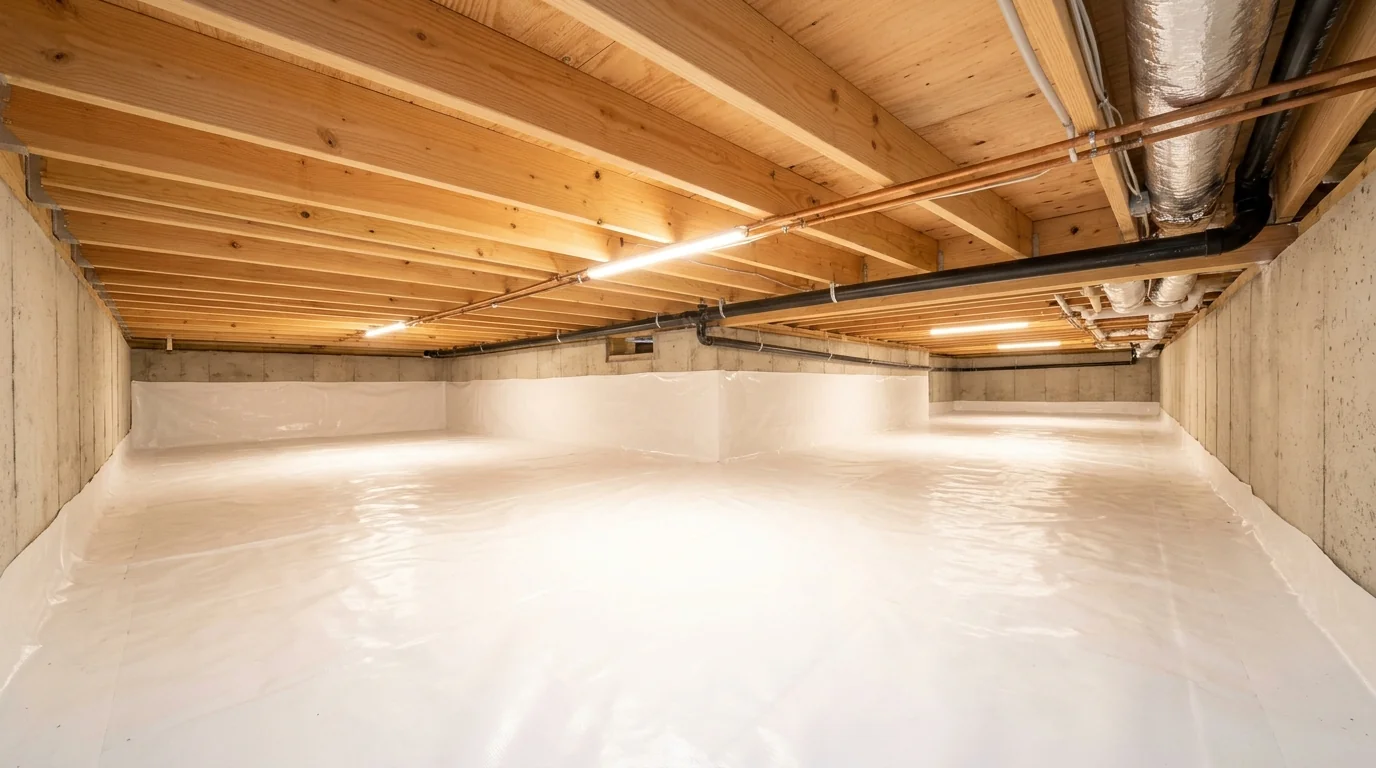
Moisture Mitigation in North Carolina
Engineering controls tailored to North Carolina regional building foundations
Why North Carolina Homeowners Call Airwell Restoration
North Carolina homeowners call Airwell Restoration because our team provides transparent technical scoping, clear estimates, and disciplined containment methods. We emphasize complete structural drying rather than superficial surface treatments.
Clear Estimates
Detailed written estimates outlining containment requirements, labor steps, and affected materials.
Round-the-Clock Line
Constant telephone availability at (831) 298-4645 to coordinate assistance for sudden water intrusions.
Step-by-Step Flow
Methodical containment protocols that prevent airborne spores from migrating into clean living areas.
Local Knowledge
Working familiarity with North Carolina architectural styles, regional soil conditions, and weather cycles.
What to Expect From Airwell Restoration in North Carolina
When you arrange service with Airwell Restoration in North Carolina, technicians follow a clear operational sequence to isolate and remediate affected areas while accounting for seasonal weather risks.
Spring Moisture Dynamics
Heavy spring thunderstorm complexes drop intense rain across saturated red clay soils and low-lying river watersheds. Sluggish surface drainage creates hydrostatic pressure around foundation walls and leads to standing water in unfinished dirt crawlspaces.
Summer Moisture Dynamics
Persistent summer heat and high atmospheric humidity push dew points to elevated levels across the state. Humid outdoor air entering vented crawlspaces condenses against cool wooden floor framing and uninsulated metal air conditioning ducts.
Fall Moisture Dynamics
Late summer and autumn bring Atlantic tropical systems and hurricanes that deliver torrential rainfall and hurricane-force wind gusts. Wind-driven rain penetrates roof ridges, soffit vents, and window flashings, saturating attic insulation and exterior wall assemblies.
Spring Moisture Dynamics
Heavy spring thunderstorm complexes drop intense rain across saturated red clay soils and low-lying river watersheds. Sluggish surface drainage creates hydrostatic pressure around foundation walls and leads to standing water in unfinished dirt crawlspaces.
Cities We Serve in North Carolina
Airwell Restoration provides structural mold remediation services to communities throughout North Carolina. Select your city below to find local service details and regional housing insights for your area.
Frequently Asked Questions in North Carolina
Localized answers addressing regional foundation types, humidity challenges, and climate-specific remediation questions across North Carolina.
North Carolina features a humid climate with elevated summer dew points. When warm outdoor air enters foundation vents, it contacts floor joists cooled by indoor air conditioning, causing crawlspace humidity to surge and condense onto wood framing.
Get Help in North Carolina Today
Unresolved moisture intrusion can cause progressive structural damage to framing members and subfloors.
Airwell Restoration delivers methodical containment, controlled material removal, and thorough drying across North Carolina.
Call (831) 298-4645 to speak with our dispatch team and schedule an on-site evaluation for your property.